Retirement
Pension advice essential during divorce, research finds
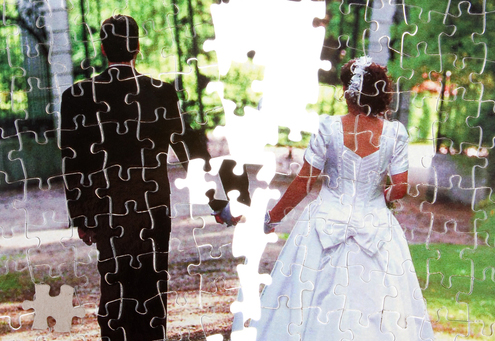

A fifth of women abandon paying into a pension after divorce and a quarter reduce their general savings, according to research from Phoenix Group.
The closed life fund consolidator said its study also revealed two-in-five divorced women (42%) were worse off after getting divorced. Additionally, half of divorced women made no contributions at all to a pension scheme while married, but only one in six had rights to a pension through their ex-husband.
“It’s clear that divorced women face an uncertain future in retirement,” said Shellie Wells, spokesperson for Phoenix Group. “Not only have many given up rights to their husband’s pension provision, they have often stopped paying into their own pension plan; dipped into savings and at worst, lost contact with any savings they have accrued.”
Phoenix said these were “startling statistics”, since after the former matrimonial home, the pension pot is likely to be the largest capital asset of the marriage
Wells added: “It’s vital that women take action now to ensure that their long-term financial security is provided for and that those going through a divorce really understand their family finances and what they are entitled to, preferably seeking expert advice, as our research found that a quarter of couples (26%) opt for a DIY divorce and risk losing out in their divorce settlement.”
The research also found 38% of women who had pension arrangements during their marriage did not know what happened to it when they divorced. The same percentage also had “no idea” what settlement they won following their divorce, and only 6% received pensions sharing order or a pension earmarking order.
Alex Davies, private client partner at Cripps Harries Hall, added: “One aspect that is often looked at on divorce is the fact that, in line with the Welfare Reform and Pensions Act, which came into force in 2000, a spouse will always be able to have a claim on the pension.
“What sometimes will happen is that spouses will split all the pensions in two, or decide to trade off, meaning that one will keep all or most of their pension but may give the other a bit more of the house or other assets to compensate them. Pensions are always taken into account if either party has one.
“When dealing with divorces, one surprising factor is always the high number of people, both men and women, that know very little about their own financial affairs and how to manage them. One of the challenges for people going through divorce is how to get to grips with their finances in a way they perhaps haven’t had to previously.
“Divorce can’t always give financial security, but does often give greater certainty and is an opportunity to gain control in most instances.”
